Editable Daily Productivity Planner: A Designer's Tool for Structure
In the fast-paced world of creative work, where ideas often outpace execution, having a reliable system is not a luxury—it's a necessity for maintaining both quality and sanity. For designers, marketers, and creative entrepreneurs, the challenge is twofold: managing their own workflow while also producing assets that communicate order and clarity to their audience. This is where a thoughtfully designed resource, like an Editable Daily Productivity Planner, transcends its simple function and becomes a foundational component of effective visual communication and project management.
Beyond Organization: The Design Principles at Play
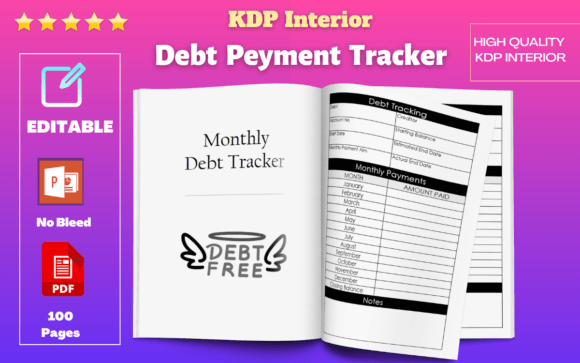
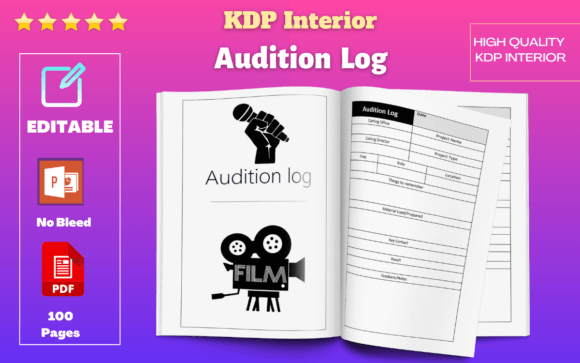
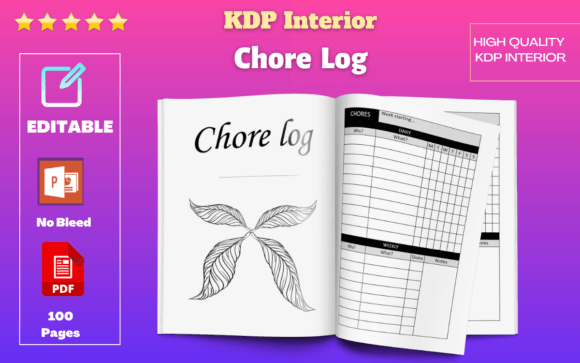
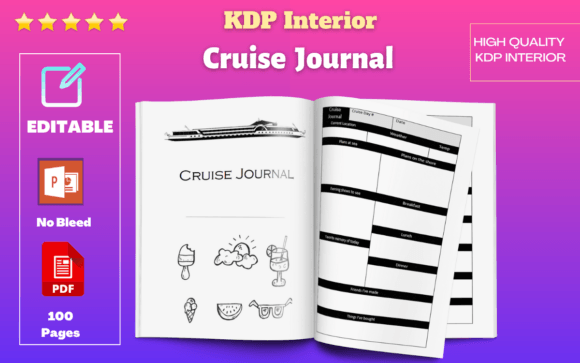
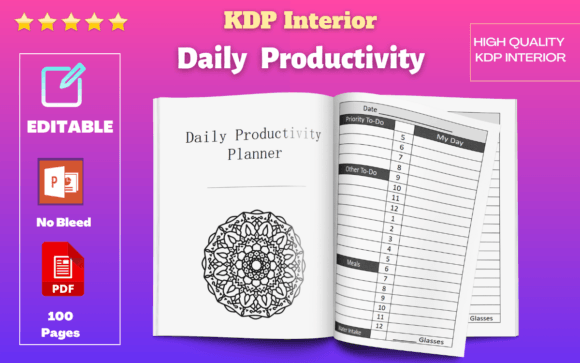
An effective planner template is a masterclass in applied graphic design. It demonstrates core principles that are directly transferable to client work. The layout of an Editable Daily Productivity Planner showcases a strong visual hierarchy, guiding the user's eye from high-level goals to specific tasks. Its typography choices prioritize readability and create a clean, modern aesthetic. The consistent use of whitespace, a key element in both print and web design, prevents cognitive overload, allowing users to focus. When you use a well-crafted planner, you're not just organizing your day; you're interacting with a design system that models best practices for user experience (UX) and interface (UI) design.
Practical Applications for Creative Professionals
The utility of a structured planning document extends far beyond personal time management. Its format and principles can be adapted to enhance a wide array of creative projects and business operations.
- Strengthening Brand Identity: Use the planner's structured grid to map out brand touchpoints, ensuring consistency in logo design usage, color palette application, and typography across all materials.
- Streamlining Design Workflow: Break down complex projects like packaging design or editorial layouts into daily actionable steps, from initial concept sketches to final file preparation.
- Planning Marketing and Social Media Content: Visually map out a content calendar, aligning graphics, copy, and campaign themes for a cohesive digital marketing strategy.
- Organizing Client Presentations: Structure the narrative flow of a pitch, allocating time for each section—from problem statement to design solution—to ensure a professional and compelling delivery.
- Developing Digital Products: Plan the creation of your own design assets, such as social media graphics or web design elements, with a clear production timeline.
Integrating the Planner into Your Design Ecosystem
The true power of a template like this lies in its editability. Being available in a format like PowerPoint allows for seamless integration into your existing creative projects. You can adapt the color scheme to match a client's brand identity, swap fonts to align with a specific typographic voice, or restructure sections to better suit a particular project's needs. This flexibility makes it a valuable creative asset, not just a static document. When evaluating any planning resource, consider its scalability and compatibility with your design software. A high-resolution, well-organized file with no bleed is essential for both digital use and professional print design.
Ultimately, the tools we choose shape our output and our mindset. Incorporating a resource that embodies clarity, efficiency, and thoughtful visual design into your daily routine does more than just manage tasks—it reinforces a professional standard. It encourages a design-first approach to problem-solving, ensuring that the final product, whether it's a brand identity system, a website, or a marketing campaign, is built on a foundation of intentional structure and aesthetic consideration. In a field where creativity must be channeled effectively, the right organizational framework is itself a powerful design tool.