Debt Tracker | Debt Payment Tracker: A Designer's Essential Financial Tool
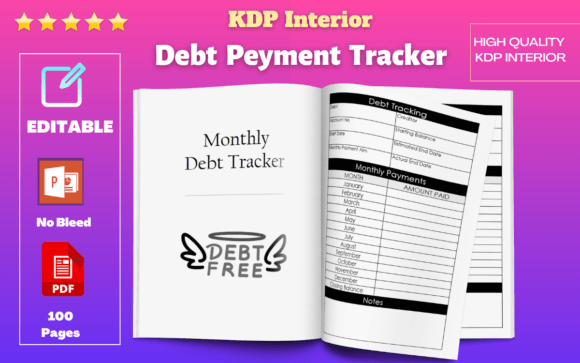
Transforming financial chaos into a visually organized system is a powerful act of design, and the right tool makes all the difference. For creatives, freelancers, and business owners managing multiple revenue streams and expenses, a meticulously designed Debt Tracker | Debt Payment Tracker is more than a spreadsheet—it's a critical component of your personal brand's operational identity. This printable and fillable log provides a structured, high-quality framework to monitor monthly bills, due dates, creditors, starting balances, and payment aims, turning abstract numbers into a clear, actionable visual plan.
The Visual Design of Financial Clarity
From a graphic design perspective, effective financial tracking hinges on visual hierarchy and usability. A well-crafted tracker employs clean typography, ample white space, and a logical layout to guide the eye, reducing cognitive load and decision fatigue. This isn't just about logging data; it's about creating a document that you will actually want to use. The 6"x9" format of this particular tracker is designed for portability and ease of use, whether printed for a physical binder or used digitally on a tablet. Its professional interior design ensures that critical information—like the distinction between a monthly payment aim and the actual payment recorded—is immediately discernible, supporting better financial decisions.
Practical Applications for Creative Professionals
While its primary function is personal finance management, the principles embedded in this Debt Tracker resonate across numerous creative and business applications. Consider how the core concepts translate:
- Brand Systems & Consistency: Just as a brand style guide ensures visual consistency, a debt tracker enforces financial consistency. Using the same tracker monthly builds a reliable system, much like adhering to a color palette and typography set strengthens brand identity.
- Client Project Management: For freelancers, tracking client invoices and project-related expenses is crucial. This tracker can be adapted to monitor receivables and costs, providing a clear visual overview of project profitability and cash flow.
- Merchandise & Product Planning: When planning a new product line or merchandise, initial costs and projected payments need careful tracking. This log offers a structured way to visualize the financial timeline from development to launch.
The included file formats—PowerPoint for total editability and a print-ready PDF—mirror the deliverables a designer would provide to a client. This dual-format approach is a best practice in digital asset creation, ensuring the tool is both customizable for individual needs and stable for final output.
Integrating Financial Tools into Your Design Workflow
Selecting any creative asset, including a functional design like a financial tracker, requires evaluating its alignment with your workflow and goals. Key factors include:
- Readability & Scalability: The fonts and layout must remain legible in both digital and printed formats at the specified size. A resized vector interior ensures quality is maintained.
- Visual Hierarchy: Does the design naturally draw your attention to the most important data points, such as due dates and totals? Effective hierarchy is the backbone of any informational design.
- Compatibility: The tracker should fit seamlessly into your existing system, whether that's a digital planner, a physical binder, or a project management suite. Its standalone utility is a strength.
Ultimately, embracing a tool like the Debt Tracker | Debt Payment Tracker is an exercise in applied design thinking. It demonstrates how thoughtful visual organization—applied to something as mundane as bills—can create significant positive impact. By investing in high-quality, well-structured creative assets, you equip yourself to manage not only your finances but also your creative projects and business operations with greater precision, professionalism, and peace of mind. This clarity of process is what ultimately frees up mental space for innovation and design excellence.