Chore Chart Cleaning Planner: A Design Asset for Visual Order
Transforming chaotic routines into a clear, visual system is a core challenge for any designer working on organizational tools. A well-structured Chore Chart Cleaning Planner is more than a simple checklist; it's a foundational graphic design asset that brings clarity and professionalism to daily and weekly task management for all ages.
The Role of Visual Hierarchy in Routine Planning
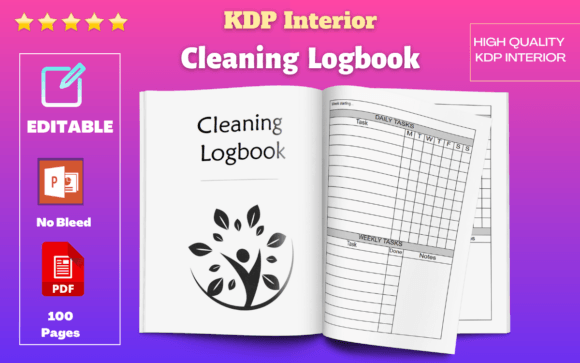
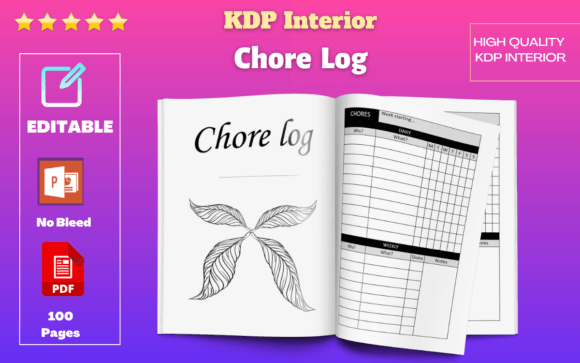
Effective graphic design is about guiding the viewer's eye. In the context of a daily and weekly routine planner, this means establishing a clear visual hierarchy. A professionally designed chart uses typography, spacing, and subtle color coding to distinguish between daily chores, weekly responsibilities, and one-time tasks. This approach prevents visual clutter, making the planner immediately usable and reducing cognitive load for the user. The result is a tool that communicates its purpose instantly, a hallmark of strong visual communication.
Practical Applications for Design Professionals
This type of editable template is a versatile creative asset with broad applications beyond personal use. Its clean, structured layout makes it ideal for various creative projects and business solutions.
- Digital Product Creation: Offer it as a printable or digital download for planners and productivity blogs.
- Brand Collateral: Adapt the design for family-oriented brands, educational institutions, or home management apps to create cohesive marketing materials.
- Editorial Design: Use the layout principles for articles or blog posts about productivity, home organization, or family life.
- Packaging and Merchandise: The aesthetic can inspire designs for physical planners, sticker sheets, or organizational kits.
Having the file in a fully editable PowerPoint format is a significant advantage for designers. It allows for seamless integration of specific brand colors, custom typography, and logo placement, ensuring the final product aligns perfectly with a client's or your own brand identity.
Designing for Usability and Engagement
The true test of this design asset lies in its UX design. A successful chore chart balances aesthetic appeal with effortless functionality. Consider these elements when evaluating or customizing such a template:
- Consistency: Use uniform iconography or checkboxes and a consistent color palette to create a predictable, user-friendly experience.
- Readability: Select clean, legible typefaces. Avoid overly decorative fonts for the main task lists; prioritize clarity, especially for children.
- Scalability: The vector-resized format ensures the design remains crisp whether printed at 6"x9" or viewed on a screen, maintaining a high-quality resolution.
- Whitespace: Ample margins and spacing prevent the layout from feeling cramped, which is crucial for a tool meant to reduce stress, not add to it.
By focusing on these design principles, you create more than a chart; you craft an experience that encourages consistent use and engagement, strengthening the overall user experience.
Ultimately, investing in thoughtfully designed assets like an editable planner streamlines your design workflow. It provides a solid, professional foundation that you can customize and deploy, saving valuable time while ensuring a polished, coherent result that effectively communicates its message and supports its users' goals.