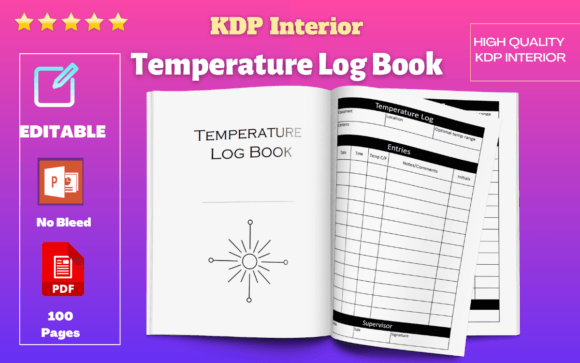
Temperature Log Book - KDP Interior: A Designer's Asset
In the world of professional design, even the most utilitarian documents can become powerful tools for brand communication and operational excellence. A meticulously crafted Temperature Log Book - KDP Interior is a prime example, transforming a routine tracking sheet into a cohesive element of your visual identity system.
This asset is more than just a template; it's a foundational piece for creating consistent, high-quality documentation. Designed for clarity and modern aesthetics, it provides a clean, structured framework that ensures vital data is recorded with precision and visual harmony. Its value lies in bridging the gap between practical function and polished presentation, a core goal in any effective graphic design workflow.
Practical Applications Across Creative Projects
The versatility of a well-designed log book interior makes it applicable far beyond its primary function. Consider how it integrates into various facets of a creative and business ecosystem.
- Brand Identity & Consistency: For businesses in food service, laboratories, or manufacturing, a branded log book reinforces professionalism. It ensures that every touchpoint, from marketing materials to internal documents, speaks the same visual language, strengthening overall brand identity.
- Editorial & Print Design: This interior serves as an excellent starting point for designers creating custom planners, operational manuals, or technical journals. The clean layout and ample white space provide a perfect canvas for adding unique typography, logos, or color palettes.
- Packaging Design & Inserts: For products requiring temperature control, a high-quality log book can be included as a premium insert. This enhances the unboxing experience and demonstrates a commitment to quality and user experience (UX), extending your brand's narrative.
- Digital Product Creation: Entrepreneurs and designers can leverage the editable PowerPoint format to create and sell their own niche-specific journals on platforms like Amazon KDP, tapping into a market for functional and aesthetically pleasing digital products.
Evaluating and Implementing Design Assets
When selecting a resource like this temperature log book, a designer's critical eye should assess several key factors to ensure it meets project goals and elevates the final output.
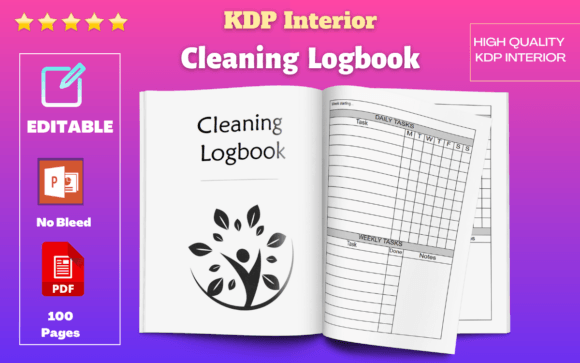
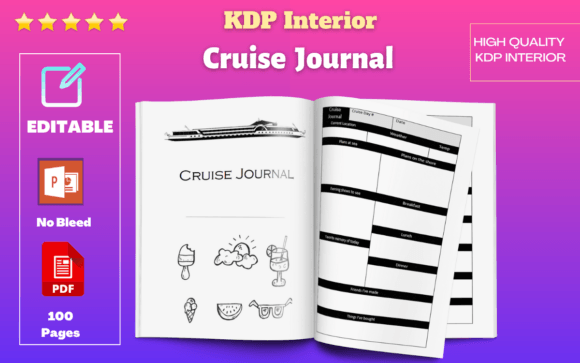
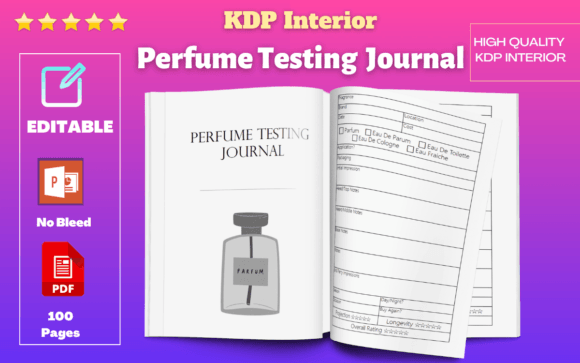
First, examine the visual hierarchy. Does the layout guide the eye naturally from the title to the data fields? Effective hierarchy, achieved through font weight, size, and spacing, is crucial for usability. Second, consider readability and scalability. The typography must be legible at both print sizes (6"x9" and 8.5"x11"), and the design should remain crisp in high-resolution PDF output. Finally, assess its compatibility with your existing brand system. The ability to edit colors, fonts, and logos in the PowerPoint file is essential for seamless integration, allowing you to maintain a cohesive color palette and typographic style across all materials.
By treating functional documents as integral components of your creative projects, you ensure a unified and professional presentation. Thoughtful design choices in every asset, from a logo to a log sheet, collectively build trust and enhance communication. Investing in quality, editable interiors like this one streamlines your design workflow, allowing you to focus on strategy and creativity while maintaining a high standard of visual execution.