Nippon: Elevating Your Design Projects with Digital Assets
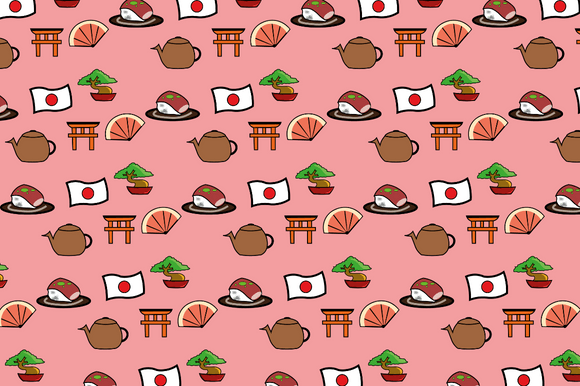
In the dynamic world of graphic design, finding high-quality, versatile assets is crucial for bringing creative visions to life efficiently. The concept of Nippon represents a curated approach to digital design resources, offering instant access to professional elements that streamline your workflow. This specific product provides a digital cut file and printable package, designed as an interior template that empowers you to create custom covers and integrate sophisticated visuals into your projects immediately upon download.
The Role of Quality Assets in Modern Design Workflows
Effective visual communication hinges on consistency, clarity, and a polished aesthetic. Whether you are a freelance designer, a marketing professional, or a business owner building a brand identity, the tools you use significantly impact the final output. Digital assets like these PNG files serve as foundational components for various applications, ensuring your designs maintain a high standard of quality across different mediums.
Understanding how to leverage such resources is key to improving both efficiency and creative impact. The provided files are optimized for immediate use, eliminating the wait times associated with physical products and allowing for rapid iteration.
Practical Applications for Creative Professionals
The utility of a versatile digital asset package extends across numerous domains within the design and marketing sectors. Integrating elements like those found in a Nippon-style package can enhance projects in the following ways:
- Branding and Identity: Use the interior elements to develop cohesive stationery, mood boards, or brand guidelines that define a company's visual language.
- Marketing Materials: Create impactful brochures, flyers, and digital advertisements that capture attention with professional graphics.
- Social Media Content: Design engaging posts, stories, and banners that stand out in crowded feeds, reinforcing brand recognition.
- Web and UI Design: Incorporate textures, patterns, or icons into website layouts and user interfaces to enhance the user experience (UX) with subtle, sophisticated details.
- Editorial and Packaging: Apply the designs to book layouts, magazine spreads, or product packaging to create a memorable unboxing experience.
Key Considerations for Selecting Design Elements
When choosing digital assets for a project, several factors determine their effectiveness and value. A professional approach involves evaluating not just the aesthetic appeal but also the technical specifications and compatibility.
First, consider scalability and file format. High-resolution PNG files ensure that graphics remain crisp across print and digital platforms. Second, assess versatility. Can the asset be adapted for different color palettes or compositions? A good digital resource should offer flexibility without compromising its core design integrity. Finally, think about visual hierarchy. The chosen elements must support the overall message, guiding the viewer's eye through the layout logically and attractively.
Integrating Assets into Your Design System
A successful design project often relies on a cohesive system where typography, color palette, and imagery work in harmony. When you download a package like this, you are not just acquiring images; you are investing in components that can define a project's mood and tone. For instance, the textures or patterns within the files can inspire a broader color scheme or dictate the style of accompanying typography.
By thoughtfully integrating these assets, you ensure that every piece of communication—from a website hero image to a printed business card—feels intentionally crafted and professionally executed. This attention to detail is what separates good design from great design, fostering trust and engagement with your audience.
Ultimately, the strategic use of high-quality digital resources is a hallmark of efficient and effective design practice. They provide the building blocks for creativity, allowing you to focus on concept and strategy while ensuring the visual output meets the highest professional standards. Embracing these tools can significantly elevate the quality and impact of your creative projects.