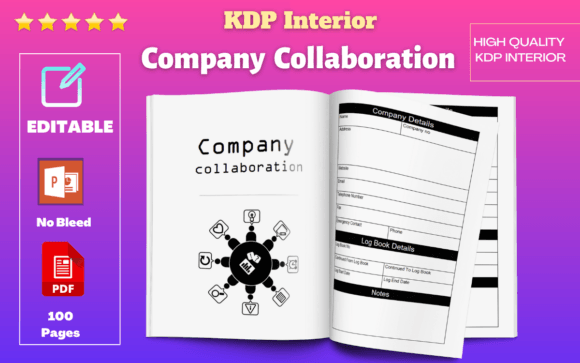
Company Collaboration Log Book: Streamline Team Projects
In the fast-paced world of graphic design and brand management, clear communication is the cornerstone of every successful project. A dedicated Company Collaboration Log Book serves as the central nervous system for your creative workflow, ensuring that every stakeholder, from the UI designer to the copywriter, remains aligned on objectives and timelines. By tracking all your collaboration details in one handy journal, you eliminate the chaos of scattered emails and misinterpreted feedback, allowing the visual hierarchy and modern aesthetics of your project to take center stage without administrative distractions.
Enhancing Visual Communication Through Documentation
Effective visual communication relies heavily on consistency. When working on comprehensive branding or logo design projects, maintaining a record of color palette decisions, typography choices, and composition rules is vital. This log book acts as a repository for these critical creative assets. Instead of relying on memory or digging through chat histories, designers can quickly reference specific notes regarding kerning adjustments or hex codes approved weeks prior. This level of detail ensures that the final output—whether it is a complex web design or simple social media graphics—retains the intended professional presentation.
The practical applications for such a structured system span across numerous creative industries. It is not merely about taking notes; it is about creating a historical archive of the design workflow that informs future decisions.
- Branding and Logo Design: Track iterations, font pairings, and symbol variations to ensure the brand identity remains cohesive.
- Packaging Design: Document print specifications, bleed settings, and material choices to prevent costly production errors.
- Editorial Layouts: Record grid systems and image licensing details for seamless magazine or blog production.
- Advertising Campaigns: Align copywriting and visual assets across different platforms to maintain a unified message.
Practical Applications in Digital and Print Environments
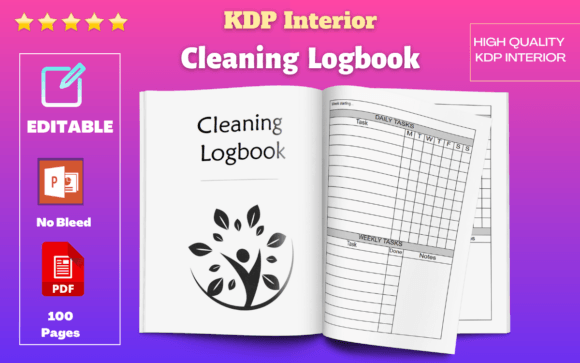
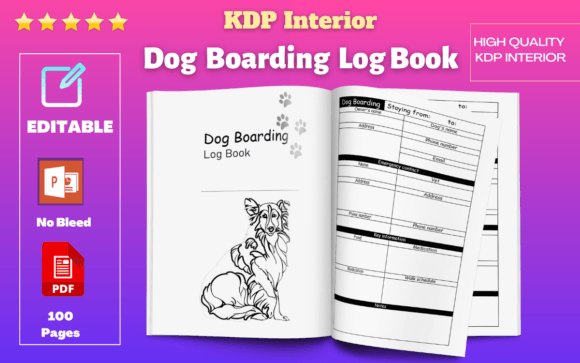
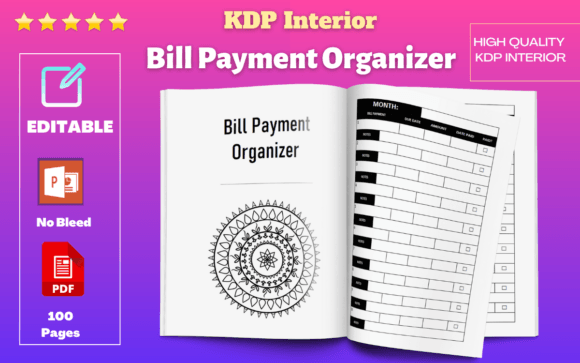
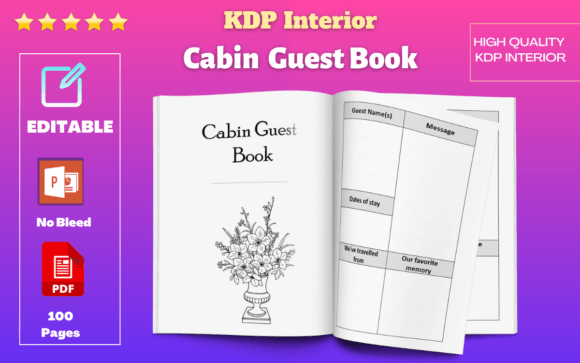
For designers and marketers, the utility of a Company Collaboration Log Book extends into the technical realm of production. Consider the included file formats: a totally editable PowerPoint format allows for dynamic updates during brainstorming sessions, while a ready-to-upload PDF ensures that the final guidelines are preserved in high-quality resolution. The 6" x 9" sizing makes it a portable companion for client meetings or on-site reviews, fitting perfectly into a designer’s toolkit alongside sketchpads and tablets.
When evaluating creative resources, it is essential to prioritize usability and scalability. This log book, designed with no bleed and resized vectors, exemplifies the attention to detail required in professional graphic design. It supports a wide range of applications, from UI design documentation to merchandise planning. By centralizing this information, you create a seamless bridge between the creative vision and the technical execution.
Integrating the Log into Your Design Workflow
To maximize the value of this tool, it should be integrated at the very beginning of a project. Use it to establish the visual hierarchy of your deliverables and to define the scope of the creative projects. It serves as an excellent resource for onboarding new team members, providing them with immediate context on past decisions and current brand standards. Furthermore, it acts as a safeguard for user experience (UX) design, ensuring that functional requirements are tracked alongside aesthetic goals.
Ultimately, the difference between a good design and a great one often lies in the process. Quality creative assets and structured documentation allow you to focus on innovation rather than rework. By leveraging a comprehensive log system, you ensure that every pixel, font, and color choice contributes to a polished, cohesive, and impactful final product that resonates with your audience.