Botany Script Vol. 1: Elevating Design with Botanical Texture
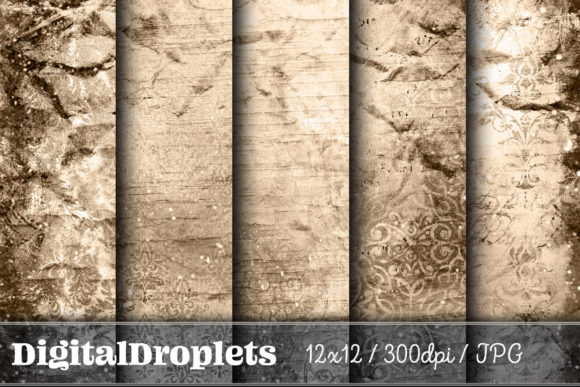
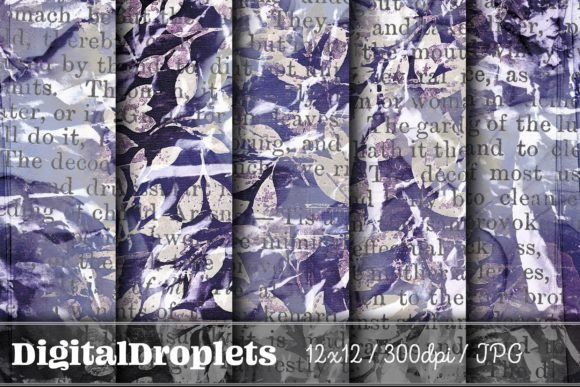
In the pursuit of authentic visual storytelling, the Botany Script Vol. 1 | Collection offers a sophisticated foundation for designers seeking to infuse projects with historical depth and organic elegance. This carefully curated set of 20 high-resolution papers moves beyond simple pattern fills, presenting a rich dialogue between gilded botanical illustrations and distressed, crumpled textures. Each 12x12 sheet is a unique composition, layering intricate leaf motifs with the subtle, tactile appearance of aged material and fragments of antique herbalist text. This creates an immediate sense of provenance and narrative, transforming a mere background into a compelling design element.
A Foundation for Authentic Brand Identity
For graphic design professionals, establishing a unique and resonant brand identity is paramount. The Botany Script Vol. 1 | Collection provides a powerful toolkit for this. Its vintage aesthetic and natural themes are exceptionally effective for brands in sectors like artisanal goods, wellness, boutique hospitality, and sustainable products. The collection’s inherent visual hierarchy—where the gilded leaf patterns command attention against the softer, text-laden backgrounds—allows for the creation of clear focal points in logo design, packaging, and collateral. The consistent yet varied nature of the papers ensures brand cohesion across multiple touchpoints while preventing visual monotony.
Practical applications span the entire design workflow:
- Branding Systems: Use the papers as textured backgrounds for business cards, letterheads, and presentation folders to convey craftsmanship and attention to detail.
- Packaging Design: Apply the patterns to boxes, labels, and tissue paper for an unboxing experience that feels premium and intentional.
- Digital & Print Marketing: Create striking social media graphics, blog headers, and email newsletter templates that stand out in a crowded digital landscape.
- Editorial & Publication Design: Ideal for book covers, magazine layouts, and junk journals where a vintage, researched feel enhances the content.
Integrating Texture into Modern Digital Interfaces
While rooted in a vintage style, these textures offer surprising versatility in contemporary web design and UI/UX design. Used judiciously, they can break the sterility of flat design, adding warmth and depth to user interfaces. Consider using a subtle, desaturated version as a hero image background, a section divider, or as an overlay on product photography to create a unique visual language. The key is balancing the intricate texture with clean typography and ample white space to maintain readability and a modern aesthetic. This approach aligns with current design trends that favor organic elements and tactile impressions in digital spaces.
Maximizing Creative Assets: A Practical Guide
To effectively leverage any premium creative asset, a strategic approach is essential. When incorporating the Botany Script Vol. 1 | Collection, consider these design principles:
- Establish Visual Hierarchy: Let the patterned paper serve as the supporting actor, not the star. Pair it with solid colors and simple, elegant typography to ensure your message remains clear and legible.
- Curate a Cohesive Color Palette: Sample colors directly from the papers—such as the gold leaf, aged cream, or botanical green—to build a harmonious and authentic color scheme for your entire project.
- Scale and Context: These high-resolution 300dpi files are perfect for large-format print design. However, for digital use, consider scaling and cropping the papers to create unique textures for icons, buttons, or washi tape strips, ensuring the design remains crisp and intentional.
Ultimately, the value of a resource like the Botany Script Vol. 1 | Collection lies in its ability to streamline the creative process while elevating the final output. It provides a professionally crafted, versatile foundation that saves hours of texture creation and sourcing. By thoughtfully integrating such assets, designers can focus on strategy and composition, confident that the foundational elements will communicate quality, depth, and a distinct point of view. In a world saturated with generic visuals, investing in nuanced, story-rich design assets is a decisive step toward creating work that resonates and endures.